
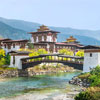
Thimphu reflects a distinctive side of Bhutan, where long-standing traditions remain a part of everyday life despite the growth of the capital. Wooden buildings with traditional designs give the streets character, Buddhist monasteries sit quietly on surrounding hills, and neighbourhood markets reveal the local customs and daily routines of the people who live in the city. The best tour operators in Bhutan can help tourists with exploring the city.
From the towering Buddha Dordenma statue to historic fortresses and traditional craft centres, the city offers travellers cultural identity without venturing far beyond the valley.
Every Thimphu attraction gives travellers plenty of reason to explore the capital. Spending a day or two here allows travellers to explore at a comfortable pace, discover places that suit their interests, and get a feel for the city before continuing towards other destinations in Bhutan.
Learn about Thimphu: Bhutan’s cultural and administrative centre:
Thimphu became Bhutan’s capital in the early 1960s, replacing Punakha as the main centre of administration. However, despite Bhutan slowly modernising, there are still many traditional places of worship, buildings, and cultural activities.
Thimphu presents a unique landscape where official institutions, local homes, sacred Buddhist sites, and commercial centres are part of everyday city life. Thimphu’s streets reflect the balance between Bhutan’s long-standing customs and the gradual changes shaping its growing urban landscape. Many of the buildings have traditional wooden windows, painted exteriors, and intricate roof designs, giving them a unique Bhutanese feel.
1.Buddha Dordenma:
One of the most iconic landmarks in the Bhutanese capital is the Buddha Dordenma. The towering Buddha Dordenma statue is located at the height of Kuenselphodrang, overlooking Bhutan’s capital, where visitors can enjoy an expansive view of the valley, forested slopes, and distant mountain peaks.
The statue depicts the ShakyamuniBuddha and rises approximately 51 metres above the ground. Beyond its remarkable size, the statue holds deep spiritual significance, symbolizing the Buddhist faith and the enduring religious traditions of Bhutan. The statue contains many smaller Buddhas.
The gardens around the site allow you to enjoy the mountainous views and get a good look at how the city is laid out. When the sky is clear, the hilltops offer beautiful views of the valleys and mountains around them, giving visitors a lovely setting to admire the scenery and capture memorable photographs.
Plan your visit during favourable weather to enjoy the surrounding landscapes and set aside enough time to explore the gardens at a relaxed pace.
2. Tashichho Dzong:
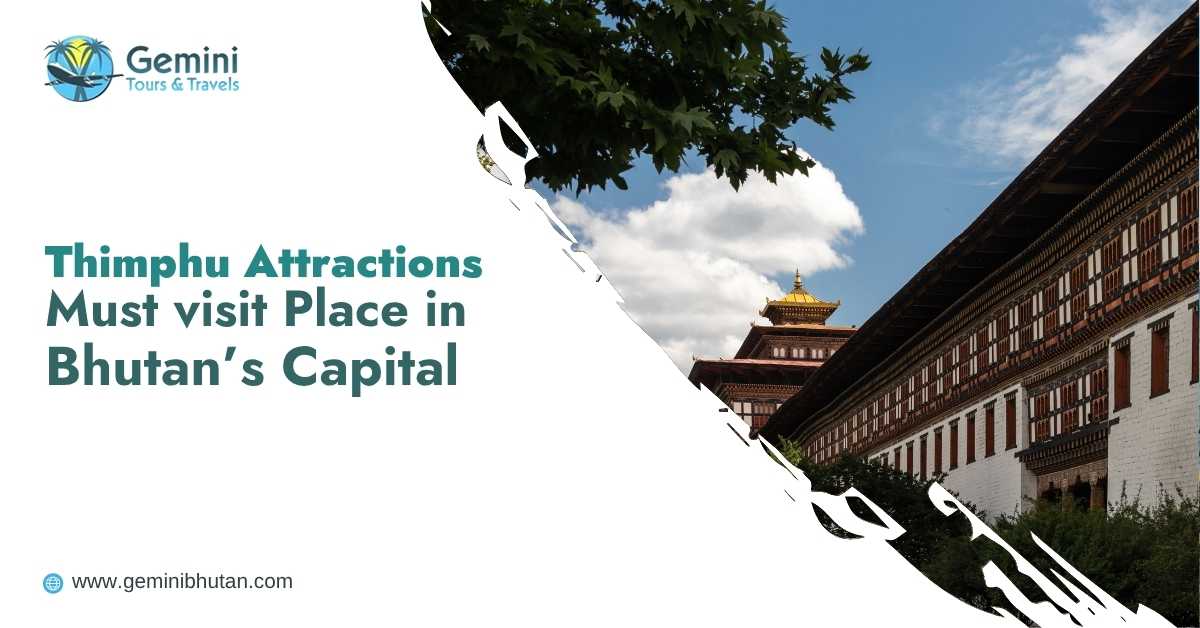
The Tashichho Dzong is located near the Wang Chhu River. This Tashichho Dzong still plays an important role in Bhutan’s national administration and religious life. This makes it very valuable to visit. The building itself has many nice details, including the decorated windows, courtyards, and well-kept exterior.
Visitors may find certain areas of Tashiccho Dzong temporarily closed during state functions or religious observances. It is best if you confirm the visitor’s access details before visiting.
3. National Memorial Chorten:
The National Memorial Chorten is located in the center of Thimphu. The National Memorial Chorten is a significant site for Buddhist prayers and reflection. The monument commemorates Bhutan’s third monarch, Jigme Dorji Wangchuck, and continues to hold a special place in the spiritual and cultural life of Thimphu.
Many residents visit throughout the day to offer prayers, turn the prayer wheels, and carry out traditional Buddhist practices. The white stupa and golden detailing attract many visitors, and the activities on site really give you an appreciation for how important this landmark is. Locals often walk around the chorten clockwise, spin prayer wheels, and pray.
This site helps visitors understand the religious traditions and cultural heritage that hold an important place in Bhutan. Visitors should wear respectful clothing, maintain silence around people engaged in prayer, and seek permission before photographing worshippers or restricted areas.
4. Changangkha Lhakhang:
The Changangkha Lhakhang is a historic temple situated on a hill overlooking Thimphu. This site plays a significant role in Bhutan’s religious and cultural life.
This temple has a long history linked to Buddhism in Bhutan and is still visited by local people. Inside, you might see some religious paintings and other traditional Buddhist features. The high position of this temple also means you will have great views over the surrounding areas.
5. Motithang Takin Preserve:
The Motithang Takin Preserve is a great place to see some wildlife. The main attraction here is the Takin, an unusual animal that is deeply connected to Bhutan’s heritage and serves as the country’s national animal.
Families, nature lovers, and wildlife enthusiasts can enjoy a peaceful break here while exploring Bhutan’s cultural side. Before heading out, confirm when the centre welcomes visitors and observe the rules during your visit so the animals can remain calm and undisturbed.
6. National Folk Heritage Museum :
The National Folk Heritage Museum gives visitors a chance to discover what homes and family life in Bhutan were like in the past. The traditional house displays show how people designed their homes, organised their rooms, and made use of the space available to them.
The exhibits include objects that Bhutanese families once relied on in their daily lives, such as farming equipment and other useful items found in their homes. These collections help visitors understand the customs, routines, and practical skills that shaped life in earlier Bhutanese communities.
7. National Textile Museum:
In Bhutan, traditional cloth plays a major role in Bhutanese culture. The National Textile Museum will show you how traditional weaving is done. You can watch local artisans create traditional fabrics using weaving techniques passed down through generations.
You will discover traditional dresses such as the kira and gho. You will also learn how traditional weaving techniques, patterns, and detailing are used. This highlights how traditional clothing serves not only as everyday attire but also as a reflection of Bhutan’s cultural heritage and the craftsmanship of local weavers.
8. National Institute for Zorig Chusum:
The National Institute for Zorig Chusum is dedicated to Bhutan’s thirteen traditional arts and crafts. These crafts include painting, wood carving, sculpture, and embroidery.
The institute keeps Bhutan’s traditional art forms alive by teaching students religious painting, detailed patterns, and various handmade crafts. If visitors are permitted to enter, they can watch the students at work and see the time, effort, and practice needed to develop these artistic skills.
9. Jungshi handmade paper factory:
At the Jungshi handmade paper factory, visitors can learn how Bhutanese handmade paper, known as Desho, is produced using traditional techniques. It gives you an appreciation for how traditional Bhutanese paper (desho) is created. This uses plant fibres and traditional techniques to create paper for stationery, decorative items, and more. Seeing how this is created will give you a new perspective on Bhutan's culture.
10. Centenary farmers market :
The centenary farmers market gives visitors a closer look at Thimphu’s local trading culture. Situated near the Wang Chhu River, the market has stalls where vendors sell fresh vegetables, fruits, and other locally produced goods. Depending on the season, you might find fresh vegetables, fruits, chilies, herbs, grains, and regional food items.
This shows agriculture's important role in Bhutanese cooking. This is a great place to see how locals go about their shopping. This will give you a different view from the calm areas of the monasteries and museums.
.jpg)
How to plan a comfortable Thimphu itinerary?
How you choose to explore Thimphu will depend on how much time you have, what you’re interested in, and what times the attractions are open.
Choose a variety of attractions to visit.
- One day: Choose a couple of key attractions to visit, such as Buddha Dordenma and National Memorial Chorten. Choose an additional attraction based on your interests and how much time you have. Don't forget to factor in how long it will take to travel between attractions.
- Two days: On your first day, visit some key religious and architectural attractions. On your second day visit some museums, traditional crafts, taking preserve on market. This will give you more time to really appreciate each attraction.
Before you go:
Check opening times, entry requirements, and any limitations with religious or administrative attractions. Check the weather before heading to high viewpoints. Wear comfortable shoes to attractions. Pack appropriate clothing for changing temperatures. Allow time for eating and unexpected delays, and ask before taking any photos.
Having a flexible itinerary will really make a difference. Having some free time will allow you to really explore interesting attractions or enjoy some local food.
What to pack for sightseeing in Thimphu:
Before heading out to explore Thimphu, here is what you should pack and keep in mind to ensure a comfortable trip:
- Wear comfortable shoes
- Lyaer you clothing
- Pack a small umbrella or light waterproof jacket
- Carry a water bottle
- Sun cream and a mini power bank.
- Pack clothes to cover your shoulders and knees when entering monasteries and Dzongs.
Make sure you are aware of any specific dress codes. Pack light so it is easier to move around the attractions.
How much to spend on Travel?
When you are drafting a realistic budget for your trip for sightseeing day, you should think about extra costs. Make sure to know if there are any charges for visiting the sights you have chosen, or if there are any specific arrangements in place.
Have some cash set aside for local taxis, drinks, lunch, and any souvenirs you would like to purchase. It is a good idea to have some spare cash for any unexpected costs.
If you have multiple stops at different attractions, look at the location of these to avoid unnecessary travel. Depending on what you are buying, shopping can be an expensive activity. Try to take something to pay with.
Final thought
By visiting Thimphu attractions, you’ll get more out of your visit. BuddhaDorenma: you’ll get more out of your visit. Buddha Dorenma will give you an insight into the amazing setting of the city. Tashicco Dzong will show you how important traditional architecture still is, and the National Memorial Chorten will show you how religion is still part of everyday life.
Visiting museums, crafts, wildlife, and local markets will give you more insight into the people, skills, and traditions that make up Bhutan. When you visit Bhutan for the first time, having a variety of experiences will make your visit more meaningful.
Having a thoughtfully planneditinerary will allow you to visit key attractions and some hidden gems. To arrange a customize itinerary you can contact to Gemini Bhutan for getting guidance for your Bhutan Trip.
FAQS:
1. How many days do you need to visit Thimphu?
You can visit a variety of key attractions in one day. However, if you have two days, you’ll have more flexibility to visit museums, local markets, and crafts/wildlife.
2. Where can you learn more about Bhutanese culture?
Religious landmarks will give you insight into Buddhist culture. The National Textile Museum will give you an insight into traditional weaving. The Folk Heritage Museum will give you an insight into family life. Ka Ja Throm will give you a closer look at local produce and everyday purchases.
3. Is Thimphu a good place to visit as a family?
Thimphu has a variety of attractions, including viewpoints, cultural landmarks, museums, and wildlife. Families can choose attractions based on what their children are interested in, how much they can walk, and how much time they have.
4. Can you watch a traditional archery competition?
If there is an event during your visit, you may be able to. Make sure to check the local arrangements.
5. How can you plan your holiday to include Thimphu?
Decide how long you’d like to stay in the capital and what experiences you’re most interested in ( cultural, nature, or history). Gemini Bhutan can help you go through suitable destinations and itineraries.