

In a world where everybody is busy with their own lives, a country like Bhutan provides sanctuary.
Bhutan, also known as the Land of the Thunder Dragon, is a landlocked Himalayan kingdom that is celebrated for prioritizing Gross National Happiness over GDP.
This land is famous for its vibrant Buddhist culture, carbon-negative status, and the dramatic Tiger’s Nest monastery.
Covering Darjeeling, Sikkim, and Bhutan ideally takes 14 days.
And to cover all these places, the best option for travel will be by getting a car rental in Bhutan.
Travelling by car rental is the most effective way to travel; this helps to travel without any hesitation, covering every destination that you want to cover.
Bhutan is a constitutional monarchy with a population of over 800,000, located between China and India.
Although the distance between Darjeeling and Bhutan is roughly 180km to the Bhutanese border, it also varies depending on your specific destination and mode of transport.
Let’s first check out,
What are some of the most beautiful places to visit in Bhutan?
Bhutan is a very beautiful, peaceful, and serene country that offers the best 360-degree panoramic views. Many towns and cities in this country offer the same.
Let's take a look at it.
1. Paro: The Gateway of Bhutan
- National Museum of Bhutan, or Ta Dzong:
This is a unique cultural institution housed in a 17th-century circular watchtower in Paro. It is commonly known as Ta Dzong and is a distinctive architectural and diverse collection.
This makes it a primary destination for understanding Bhutanese heritage. It houses ancient thangkas, weapons, and cultural artifacts, located in a former watchtower.
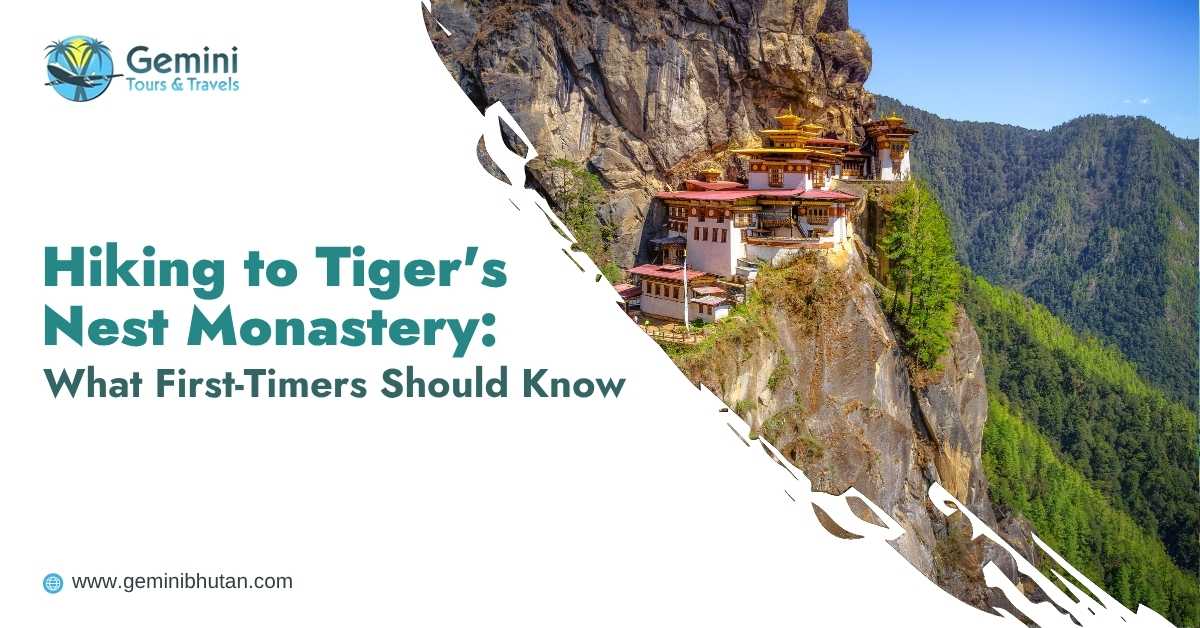
- Paro Taktsang, also called the Tiger’s Nest:
This requires a 4–5-hour round-trip hike through pine forests. This is where Bhutan’s most iconic monastery is perched on a cliff 900 m above the valley floor.
- Kyichu Lhakhang:
This is Bhutan’s oldest and most sacred monastery, located in the Paro Valley. It serves as a vital spiritual landmark for both the locals and the pilgrims.
It is also referred to as the “Sacred Jewel of Bhutan” and was built in the 7th century.
2. Thimphu: The Modern Capital
- Motithang Takin Preserve:
This was established to protect the Takinn or Budorcas taxicolor, the unique animal of Bhutan. It is a dedicated wildlife sanctuary in Thimphu. This animal is often described as looking like a cross between a cow and a goat.
Legend says the Divine Madman, Lama Drukpa Kunley, created the animal by joining a goat's head to a cow's skeleton, and it is deeply rooted in local mythology.
- Buddha Dordenma, also called Buddha Point:
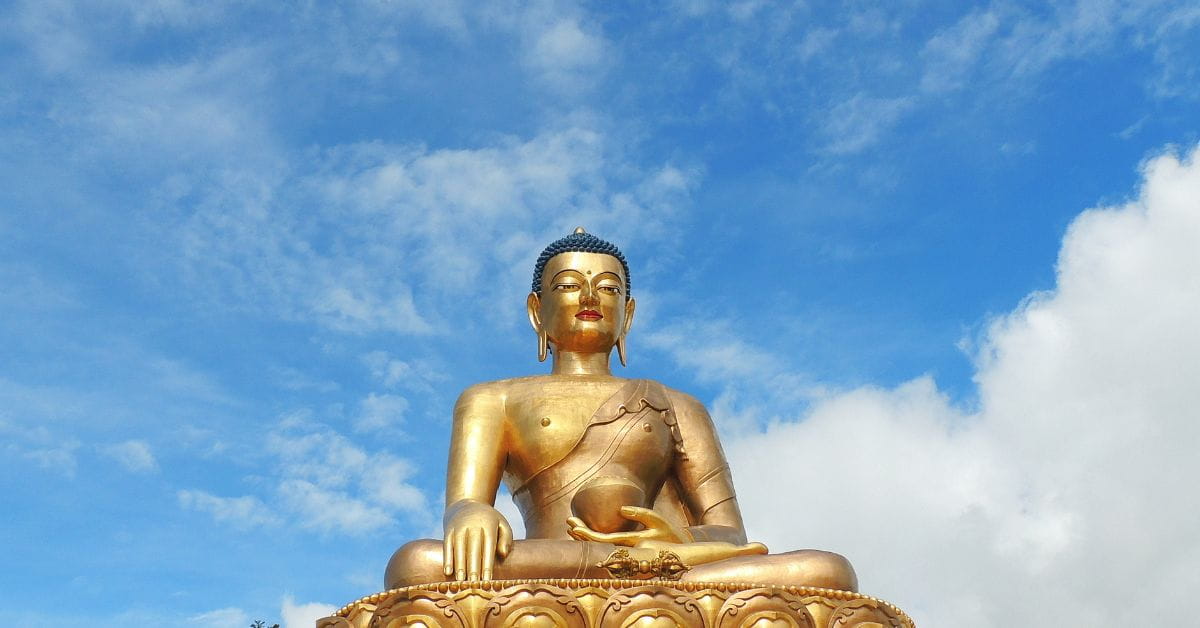
Towering over the southern entrance of the Thimphu Valley, this is a magnificent 51.5-meter golden statue of Shakyamuni Buddha.
This bronze monument is gilded in 24-carat gold and uniquely houses 125,000 smaller Buddha statues within its hollow interior. This was built to fulfill ancient prophecies of world peace.
3. Punakha: The Winter Capital of Bhutan
- Chimi Lhakhang:
This is known as the Fertility Temple, a 15th-century Buddhist monastery. Located near Lobesa in the Punakha District, this was built in 1499 by Ngawang Choegyel. The site is dedicated to Lama Drukpa Kunley, “The Divine Madam”.
She was a revered saint known for his unorthodox and often shocking methods of spreading Buddhist wisdom through humor and sexual symbolism.
- Punakha Suspension Bridge:
Stretching approximately 160 to 180 meters across the roaring Pho Chhu or father river, this is one of the longest and most spectacular suspension bridges in Bhutan.
It serves as a vital pedestrian link between the fortress and the surrounding villages, located just a short walk from the Punakha Dzong.
- Punakha Dzong:
This place is widely considered the most beautiful and architecturally stunning fortress in Bhutan. It is also called "Pungtang Dewa chhenbi Phodrang" or The Palace of Great Happiness.
It sits majestically at the confluence of two rivers, the Pho Chhu, which is the male river, and the Mo Chhu, which is the female river. It was built in 1637 by Zhabdrung Ngawang Namgyal.
4. Scenic Valleys of Bhutan
-
Phobjikha Valley or Gangtey:
Known for its vast meadows and "U-shaped" terrain, it is one of the most significant conservation areas in the Himalayas and a premier destination for nature lovers. This is a stunning, bowl-shaped glacial valley in central Bhutan.
A wide glacial valley famous for its conservation of the black-necked cranes. The Gangtey Nature Trail offers one of the best day hikes in the country.
- Bumthang Valley:
Comprising four main valleys, which are the Choekhor, Tang, Ura, and Chumey, it is a region where history, religious legend, and stunning landscapes intersect. It is widely regarded as the spiritual heartland and cultural soul of Bhutan.
Known for its unique local products like Swiss cheese, honey, and wool.
5. High Mountain Passes
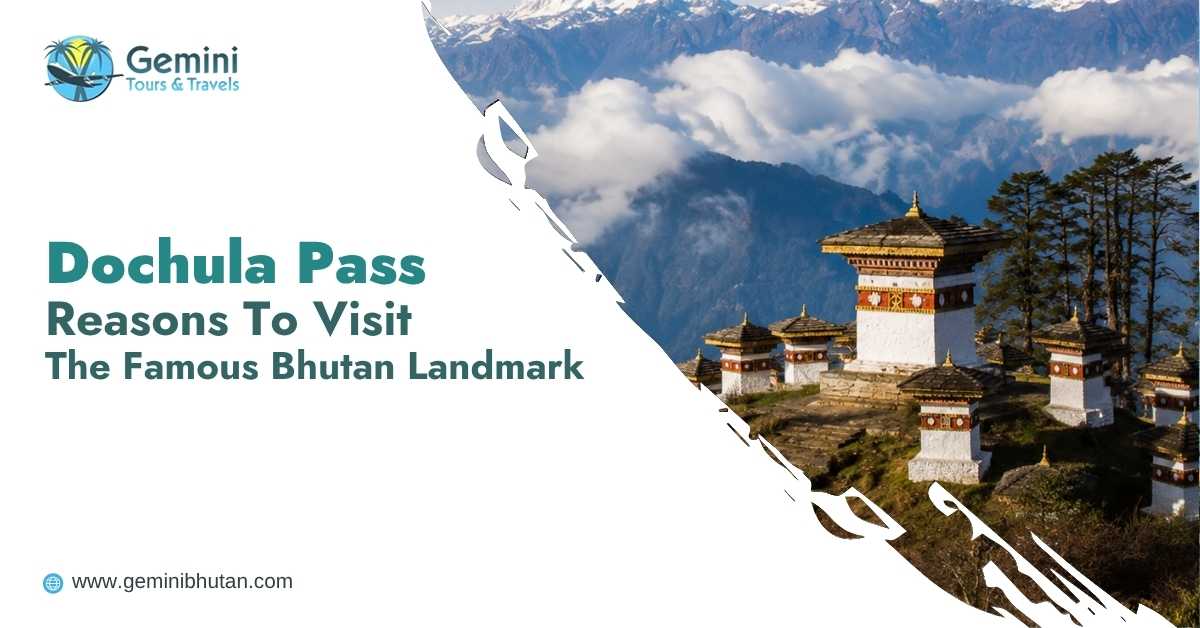
- Dochula Pass, 3,100m:
Located at an elevation of 3,100 metres (10,170 feet) on the road between Thimphu and Punakha, this is a stunning mountain pass.
It is renowned for its perfect blend of natural beauty, spiritual significance, and historical tribute. It offers a 360-degree panoramic view of the Himalayan peaks on clear days.
- Chele La Pass, 3,988m:
Sitting at an elevation of 3,988 metres (13,084 feet), this is the highest motorable point in Bhutan. It offers some of the most dramatic mountain vistas in the kingdom.
Located between the Paro and Haa valleys, it is the highest motorable pass in Bhutan, offering views of Mt. Jomolhari.
Coming to the main topic of the blog, that is,
How to combine Bhutan with Sikkim/Darjeeling?
Covering all these destinations at once typically needs 14 days. Within these 14 days, Sikkim, Darjeeling, and Bhutan should be covered.
The following is an itinerary of 14 days starting from Darjeeling, to Sikkim, and finally Bhutan.
It follows a logical west-to-east path to minimise travel time and maximise cultural immersion.
Phase 1: Darjeeling Stay for 1 to 3 Days
- Day 1: Start your journey by arriving at Bagdogra Airport or IXB and driving to Darjeeling, which will take approx. 3–4 hours. On the first day, you can relax and walk around the Darjeeling Mall Road.
- Day 2:On the second day, wake up early to experience the sunrise at Tiger Hill for views of Mt. Kanchenjunga. Then you can visit Ghoom Monastery and the Batasia Loop.
- Day 3: You canride the UNESCO Darjeeling Himalayan Railway Toy Train and visit the Himalayan Mountaineering Institute and local tea estates on the third and final day in Darjeeling.
Phase 2: Sikkim Stay for 4 to 8 Days
- Day 4: Start with a drive to Pelling, which will take approx 4–5 hours. Later, explore the 17th-century Pemayangtse Monastery and the Rabdentse Ruins.
- Day 5: On the second day in Sikkim, you can visit the Skywalk and Singshore Bridge before continuing to Gangtok, Sikkim’s capital.
- Day 6: The third day in Sikkim is fully in Gangtok exploring Rumtek Monastery, the Do-Drul Chorten, and the Flower Exhibition Centre.
- Day 7:The next day is all about an excursion to Tsomgo Lake, which is 12,400 ft, and the Baba Mandir near the Chinese border.
- Day 8:On the final day, stay in Sikkim and travel to Kalimpong. Explore its Tibetan markets and Cactus Nursery as a final stop before the Bhutan border.
Phase 3: Bhutan Stay for 9 to 14 Days
- Day 9: Start the Bhutan trip with adrive to Phuentsholing, the border town, which will take approx. 5 hours. Complete immigration formalities; note that borders may have temporary restrictions during election periods.
- Day 10:Day two of Bhutan is about a scenic drive to Thimphu, which will take approx 5–6 hours. Visit the Buddha Dordenma and Memorial Chorten in the evening.
- Day 11: Explore Thimphu’s National Library, Institute of Zorig Chusum, or Art School, and the Takin Zoo, on the third day in Bhutan.
- Day 12: Drive over the Dochu La Pass, which is 7,300 m, to Punakha, and visit the stunning Punakha Dzong, located between two rivers, on the next day.
- Day 13:Travel to Paro. Spend the day visiting the National Museum and Paro Dzong, on the fifth day in Bhutan.
- Day 14:Hike to the world-famous Tiger’s Nest or Taktsang Monastery. Fly out of Paro International Airport or PBH to conclude your trip.
Conclusion
Bhutan is the country known for its serene, beautiful, and 360-degree views of its mountains, valleys, monasteries, and many more.
It is also called the Land of the Thunder Dragons, and is the best option to travel if you are in search of a peaceful gateway, away from the hustle and bustle of the city.
Bhutan is a landlocked Himalayan kingdom, also known as Druk Yul, that is celebrated for prioritizing Gross National Happiness over GDP.
This land is famous for its carbon-negative status, vibrant Buddhist culture, and the dramatic Tiger’s Nest monastery.
Covering Darjeeling, Sikkim, and Bhutan ideally takes 14 days. And to cover all these places, the best option for travel will be to get a car rental in Bhutan.
You can book a car rental in Bhutan by simply booking through a travel agency.
These agencies take care of everything that is needed to travel to all these places, offering the best deals when it comes to hotels and food.
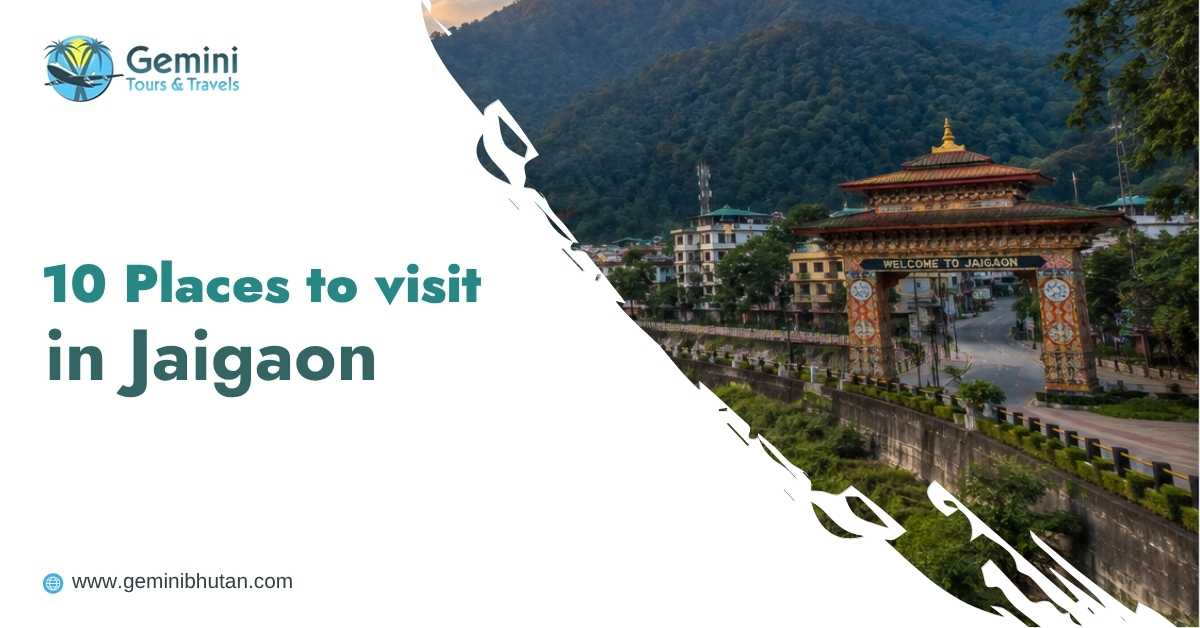
One such travel agency, which also gives car rentals, is Gemini Tours & Travels. Being situated in the city, nearest to Bhutan, this Jaigaon-based travel agency provides the perfect packages for your long-awaited Bhutan trip.
Whether it's a family trip, romantic trip, adventure trip, recreational trip, or leisure trip, they are the one-stop solution to make your trip fully satisfying, delightful, and affordable.
Book the best car rental to make travelling to Bhutan and other destinations effortless.

